In Praise of the Snug: Why the Best Room in the Hotel Is the One Nobody Photographs
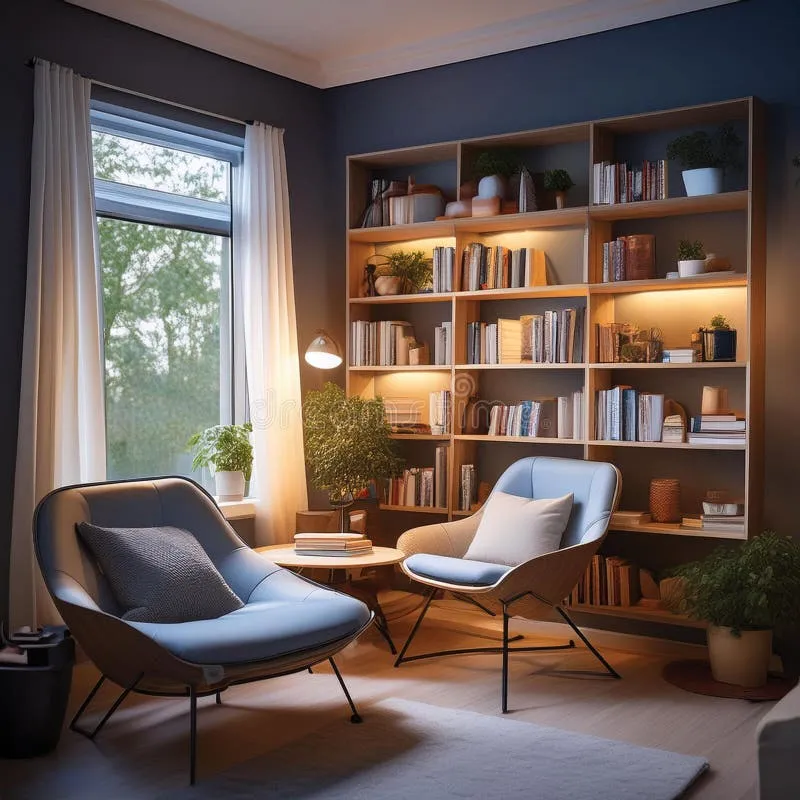
Photo: cosy hotel snug reading nook armchair lamp window seat, via thumbs.dreamstime.com
Somewhere along the line, hospitality decided that everything should be visible. Lobbies became atriums. Walls came down. Lounges flow into bars flow into breakfast rooms, all bathed in the same flattering Scandinavian light, all perfectly framed for a phone camera held at hip height.
It's very beautiful. It's also, we'd gently suggest, a bit exhausting.
Because the truth is that the British were never an open-plan people. We're a nation of alcoves, cubbies and corners. Look at the architecture we actually love: the inglenook, the bay window, the church pew with a view of the door. And nowhere is this heritage more alive — or more endangered — than in the hotel snug.
A Brief History of Hiding in Pubs and Hotels
The snug is a peculiarly British invention. In the pubs of the Victorian era, these small, often windowless rooms offered privacy to those who wanted a drink without an audience: the local doctor, the vicar, women who weren't welcome at the main bar, couples conducting business of a romantic or financial nature.
The snug wasn't antisocial. It was selectively social. A room where you could be present without being on display — an idea that feels almost radical in 2025.
The grand railway hotels understood this too. Their libraries, smoking rooms and morning rooms were designed as a series of graduated retreats, each one a step further from the public gaze. You could spend a whole week in a hotel like that and meet precisely nobody you didn't want to meet.
The Counter-Revolution Is Already Here
Happily, the quirky end of British hospitality has started pushing back. Across the country, independent hotels are rediscovering the pleasures of enclosure: reading nooks lit by lamps rather than downlights, window seats deep enough to lose an afternoon in, snugs with flock wallpaper and a drinks trolley within arm's reach.
The pattern we keep seeing: the smaller and odder the space, the more fiercely guests defend it. Ask about a hotel's best room and people rarely say the suite. They say "the little corner by the fire" or "the booth at the end of the bar" — places with a door, a dimmer switch and no sightlines to the lobby.
A Field Guide to the Hotel Hideaway
Consider this your spotting guide to the species:
- The Window Seat. A cushioned ledge with a view and a throw. Best paired with rain, a paperback and no plans whatsoever.
- The Snug Proper. Small, dark, panelled, seats four at a push. The natural habitat of the after-dinner digestif.
- The Library Corner. Shelves of books nobody's read and everybody pretends to. The books are decoration; the armchair is the point.
- The Secret Lounge. The lounge behind the lounge, found through an archway or up a half-flight of stairs. Regulars guard its location like smugglers.
- The Booth. High-backed seating in the bar that turns a public room into a private one. The diplomatic middle ground of hideaways.
Why Small Rooms Make Us Feel Big
There's actual psychology here, beyond mere nostalgia. Enclosed spaces lower the ambient social pressure — no one watching, no one to perform for. Psychologists call it prospect and refuge: we're happiest with both a view and something solid at our backs. A window seat delivers both in one furniture item. The open-plan lobby delivers neither.
So here's our modest proposal. Next time you book a stay, ignore the lobby in the photos. Instead, ask the question that marks you out as a person of taste: "Have you got a snug?"
If the answer is yes — a small room, a big chair, a lamp set to candlelight — you've found your hotel. Book it. Hide in it. And tell absolutely everyone, because these rooms deserve the custom, even if they'll never trend.